
 Store Location
 Select Categories


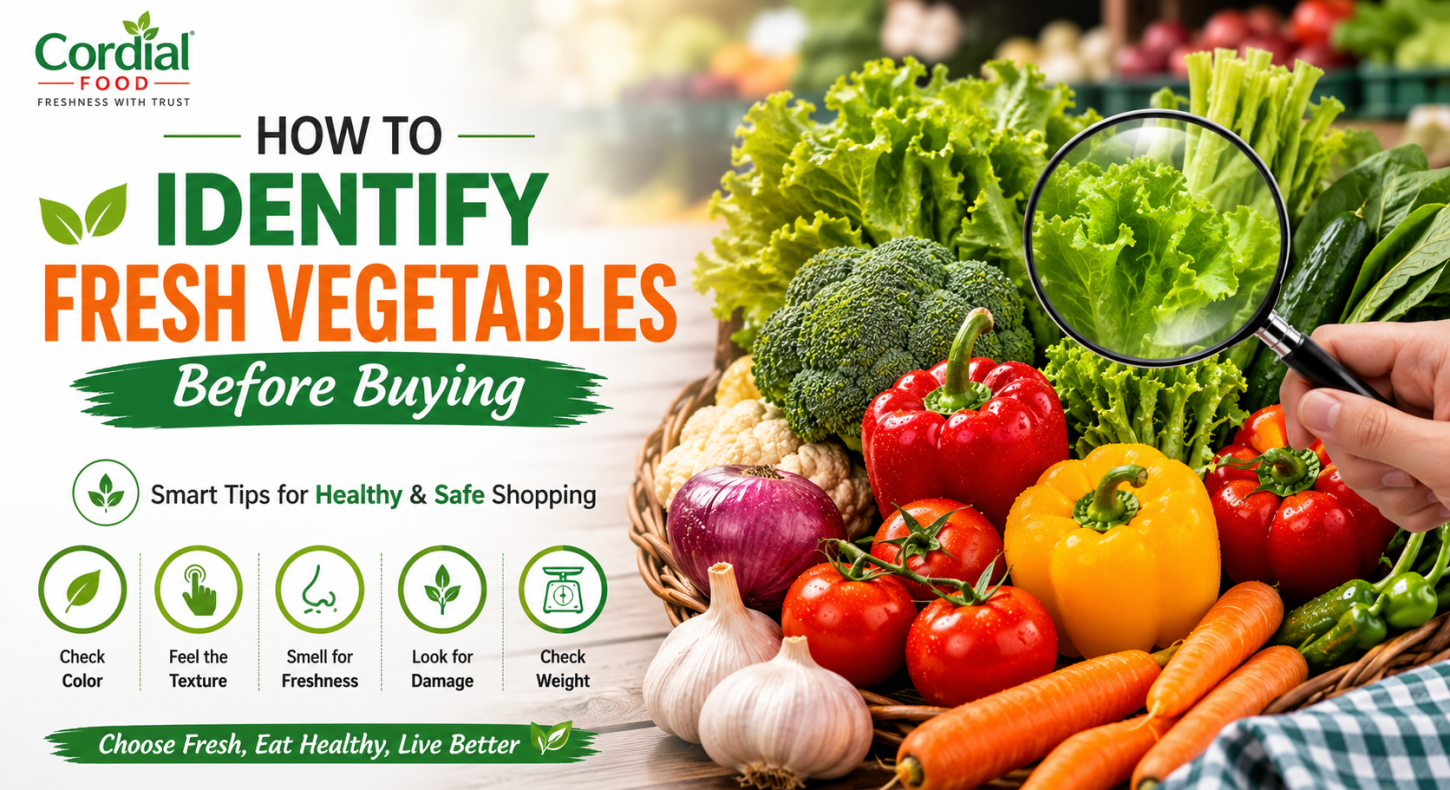

How to Identify Fresh Vegetables Before Buying: A Complete Guide
Fresh vegetables are the foundation of a healthy lifestyle. Whether you shop at a local market, supermarket, or online grocery store, knowing how to identify fresh vegetables before buying helps you enjoy better taste, higher nutrition, and longer shelf life.
Choosing quality vegetables also reduces food waste and ensures your family receives essential vitamins and minerals. In this guide, you’ll learn practical tips to select the freshest vegetables every time.
Why Buying Fresh Vegetables Matters
Fresh vegetables contain more vitamins, minerals, antioxidants, and dietary fiber than vegetables that have been stored for a long time. They also taste better and remain crisp during cooking.
Benefits include:
- Better nutritional value
- Improved flavor and texture
- Longer storage life
- Reduced food waste
- Healthier meals for the entire family
1. Check the Color Carefully
Color is one of the easiest indicators of freshness.
Fresh vegetables should have:
- Bright and natural color
- No yellowing (unless natural)
- No black or brown spots
- No discoloration
For example:
- Spinach should be vibrant green.
- Tomatoes should have rich, even color.
- Carrots should be bright orange.
2. Feel the Texture
Always touch the vegetables before purchasing if possible.
Fresh vegetables should feel:
- Firm
- Crisp
- Solid
- Moist but not wet
Avoid vegetables that are:
- Soft
- Wrinkled
- Mushy
- Slimy
3. Examine the Leaves
Leafy vegetables lose freshness quickly.
Look for leaves that are:
- Bright green
- Crisp
- Firm
- Free from holes
Avoid vegetables with:
- Wilted leaves
- Yellow leaves
- Dry edges
- Rotten spots
4. Smell the Vegetables
Fresh vegetables usually have a clean, natural aroma.
Avoid vegetables that smell:
- Sour
- Moldy
- Fermented
- Rotten
An unpleasant odor often indicates spoilage.
5. Look for Damage
Inspect every vegetable carefully.
Avoid vegetables with:
- Deep cuts
- Cracks
- Bruises
- Mold
- Insect damage
Small cosmetic imperfections are usually acceptable, but serious damage shortens shelf life.
6. Check the Weight
Fresh vegetables often feel heavier because they contain more water.
For example:
- Cucumbers
- Eggplants
- Cabbage
- Cauliflower
A heavier vegetable generally indicates better freshness.
7. Choose Seasonal Vegetables
Seasonal vegetables are usually:
- Fresher
- More nutritious
- Better tasting
- More affordable
Buying local seasonal produce also supports local farmers and reduces transportation time.
8. Avoid Overly Shiny Produce
Some vegetables are coated with wax or artificial polish.
Natural vegetables should have a healthy appearance without looking unnaturally glossy.
Always wash vegetables thoroughly before use.
9. Inspect the Stem
Fresh stems are another sign of quality.
Healthy stems should be:
- Green
- Moist
- Firm
Dry or dark stems often indicate the vegetable has been harvested several days earlier.
10. Buy from Trusted Sellers
The quality of vegetables depends greatly on the supplier.
Choose sellers who:
- Maintain proper hygiene
- Store vegetables correctly
- Restock daily
- Offer farm-fresh produce
- Deliver fresh vegetables quickly
Reliable grocery stores help ensure consistent quality.
Common Mistakes to Avoid
Many shoppers unknowingly buy vegetables that spoil quickly.
Avoid these mistakes:
- Buying vegetables with soft spots
- Ignoring unpleasant smells
- Choosing wilted leafy greens
- Purchasing vegetables with mold
- Buying excessive quantities without proper storage
How to Store Fresh Vegetables
Proper storage keeps vegetables fresh for longer.
Helpful storage tips:
- Refrigerate leafy greens immediately.
- Store potatoes and onions in a cool, dry place.
- Keep vegetables dry before refrigeration.
- Use breathable storage bags.
- Separate fruits that produce ethylene gas from vegetables.
Final Thoughts
Learning how to identify fresh vegetables before buying is a simple habit that leads to healthier meals and less food waste. Always inspect the color, texture, smell, leaves, stems, and overall condition before making your purchase.
By choosing fresh, seasonal, and high-quality vegetables from trusted sellers, you can enjoy better nutrition, richer flavor, and greater value every time you shop.
If you’re shopping online, select a reliable grocery provider that prioritizes freshness, proper packaging, and fast delivery to ensure premium-quality vegetables reach your doorstep.